
News
News, page 2
Items 21 to 40 of 192, newest first.
Older news
Page 2 of 10
Google's Genie 4 world model lets you edit a live 3D world by typing. It needs AI Ultra, from $99.99 a month.
Google DeepMind started rolling out Genie 4 in Project Genie on November 18 to eligible Google AI Ultra subscribers. You can change the weather, add characters or redirect the action mid-session, and the world now has real-time sound. AI Pro members get a waitlist. Genie 3 sessions now run up to 3 minutes.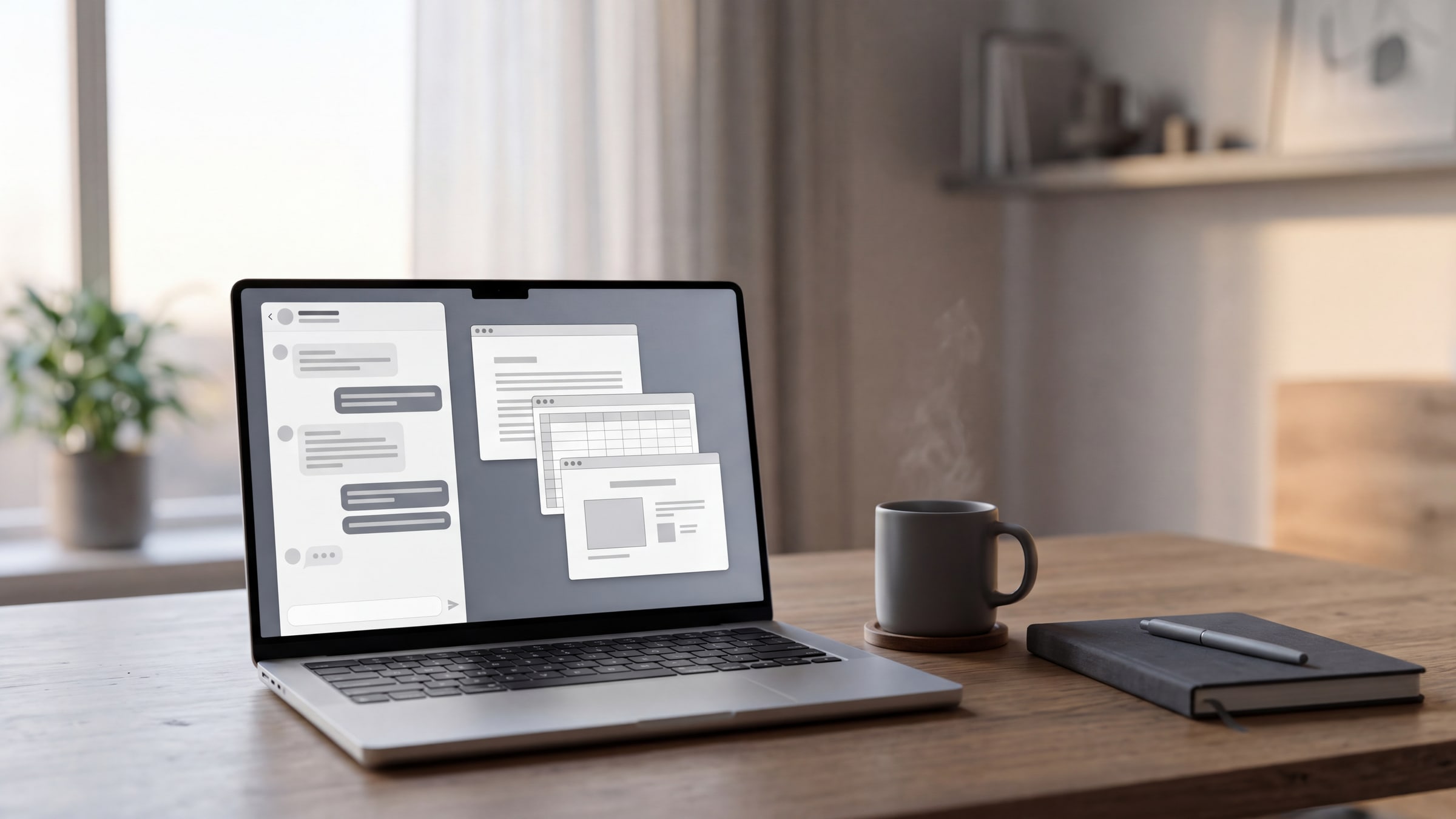
Word, Excel and PowerPoint now open inside the Microsoft Copilot app, at no extra cost for Copilot subscribers
Microsoft made Office in Copilot generally available at Ignite on November 17. Word, Excel and PowerPoint now open inside the Microsoft Copilot app, files save to OneDrive with your Microsoft 365 permissions, and Microsoft says it's included in the Copilot license. Who gets it, what it costs, and what to do.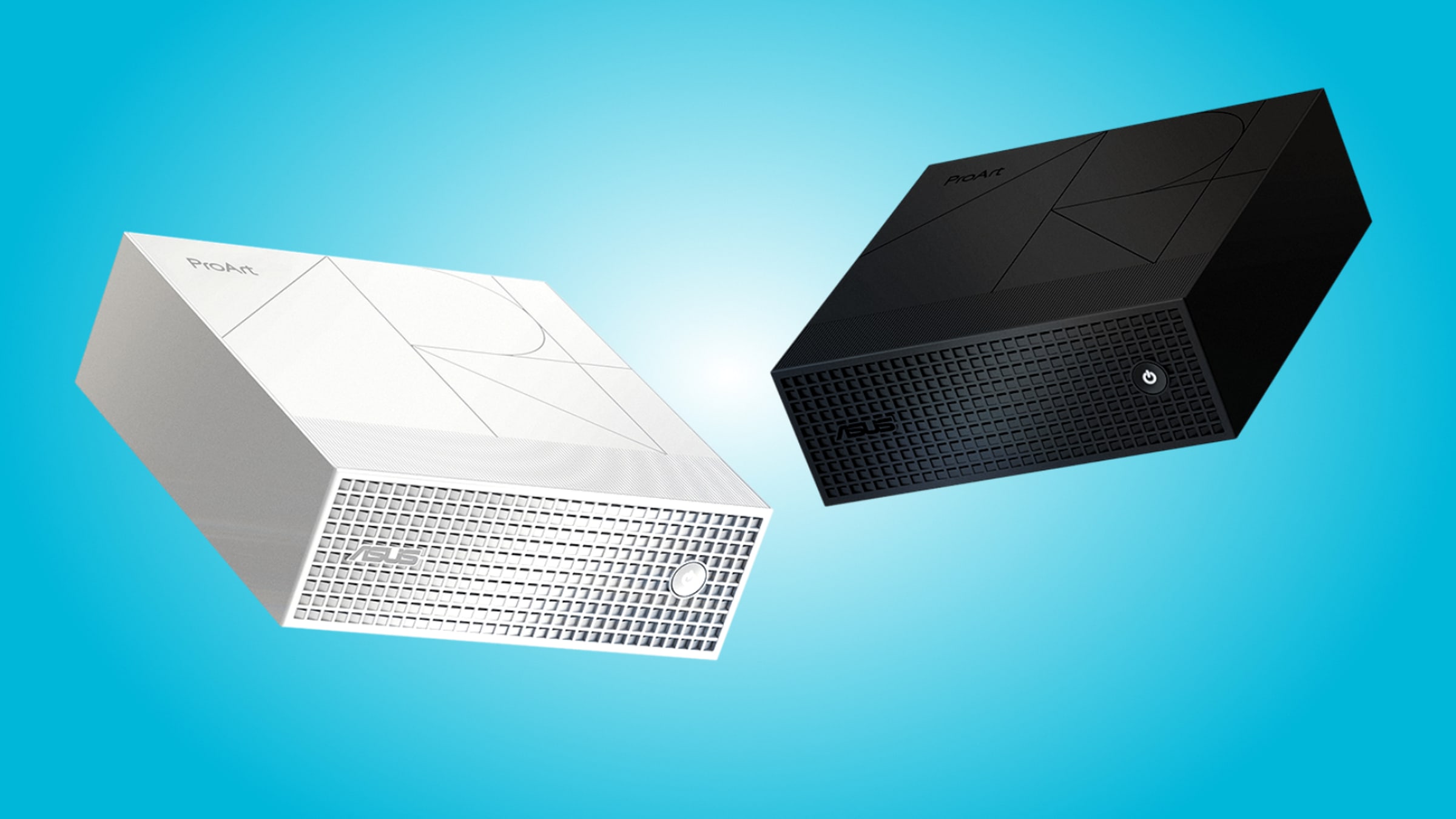
Nvidia RTX Spark mini PCs from ASUS, Dell and MSI go on sale. MSI's starts at $4,699 for running large AI models at your desk
Nvidia said on November 18 that the first RTX Spark compact desktops are available from ASUS, Dell and MSI, with Acer, GIGABYTE, HP and a Microsoft Surface dev box to follow. The machines pair a 20-core Grace CPU with a Blackwell RTX GPU and up to 128GB of unified memory, run Windows on Arm, and are pitched at running 120-billion-parameter AI models locally. MSI's EdgeMesa N AI+ lists at $4,699 with 64GB and $7,999 with 128GB in the US.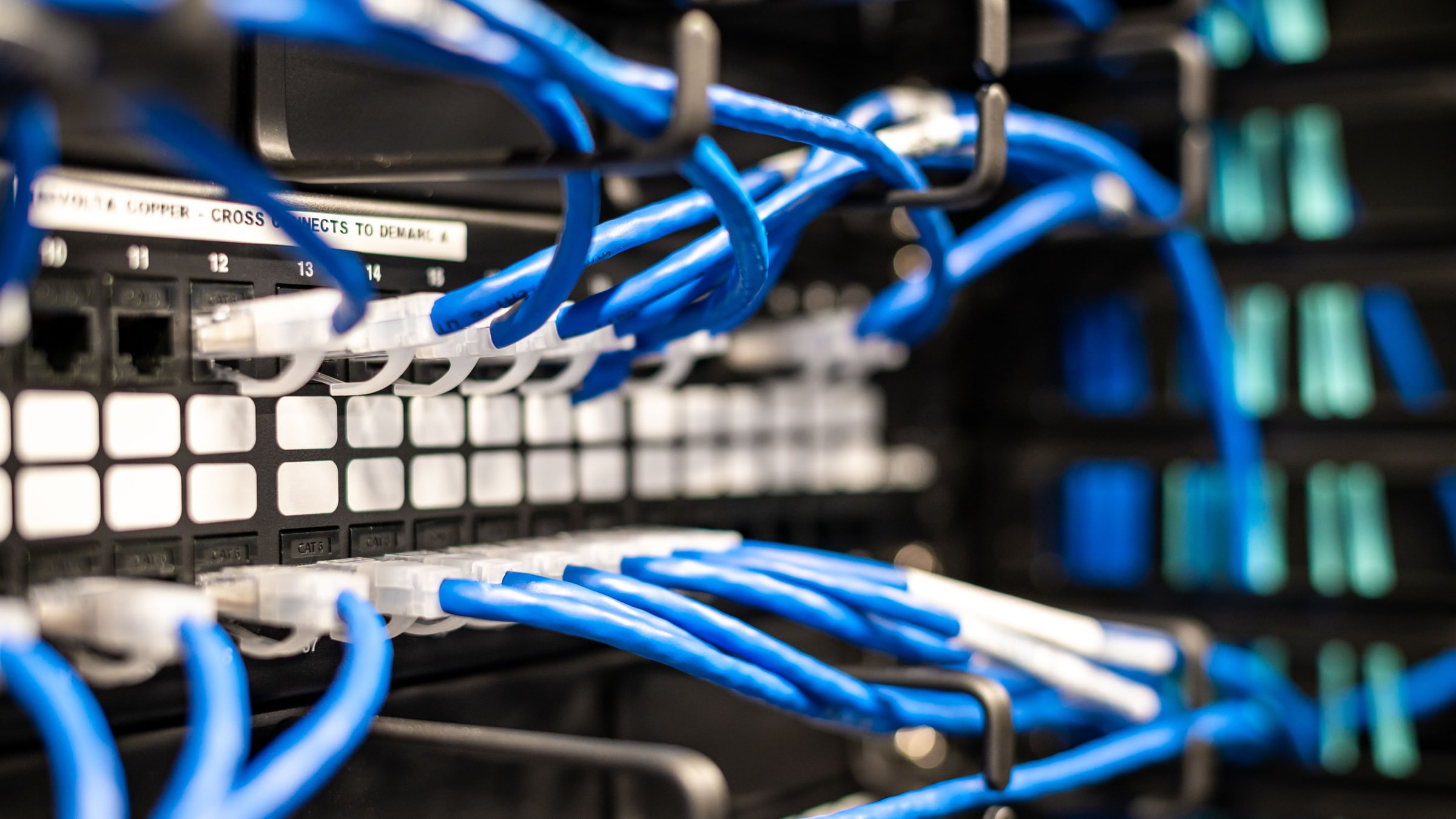
Puppet Server flaw CVE-2026-115731 is now exploited. Patch it and check how your CA signs certificates
CISA added Puppet Server flaw CVE-2026-115731 (CVSS 9.4) to its exploited list on November 17. Any machine with a CA-signed agent certificate can run code on the server and take the CA signing keys. Fixes shipped November 3: Puppet Enterprise 2026.0.1, 2025.12.1 and 2023.8.13, Puppet Core 9.1.3 and 8.22.2, and OpenVox Server 9.2.0 and 8.18.0.
Waymo pauses freeway rides in every US city after California calls them an imminent hazard
California's DMV barred Waymo's driverless cars from state freeways on November 11, calling them an imminent hazard to public safety after robotaxis drove into a closed construction zone on U.S. 101. Waymo has now stopped freeway rides in all its US markets. City-street rides continue, so expect longer routes on airport and cross-town trips.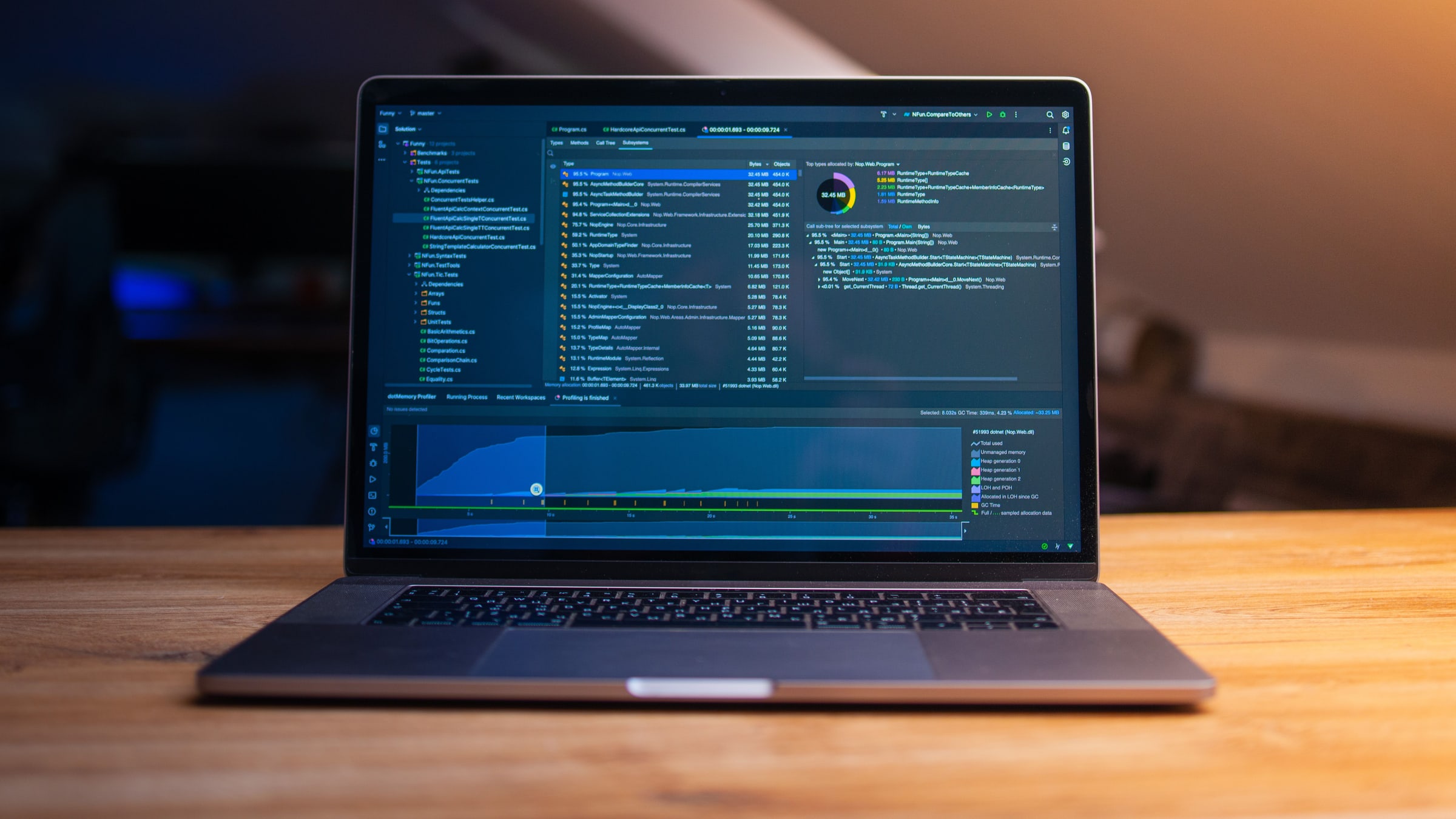
GPT-6.2 Astra cuts OpenAI's top API price 20%, and Sol nearly matches it on code
GPT-6.2 Sol costs $2 per million input tokens and $10 per million output, the same as GPT-6.1 Sol. GPT-6.2 Astra costs $8 and $40, 20% below GPT-6 Astra.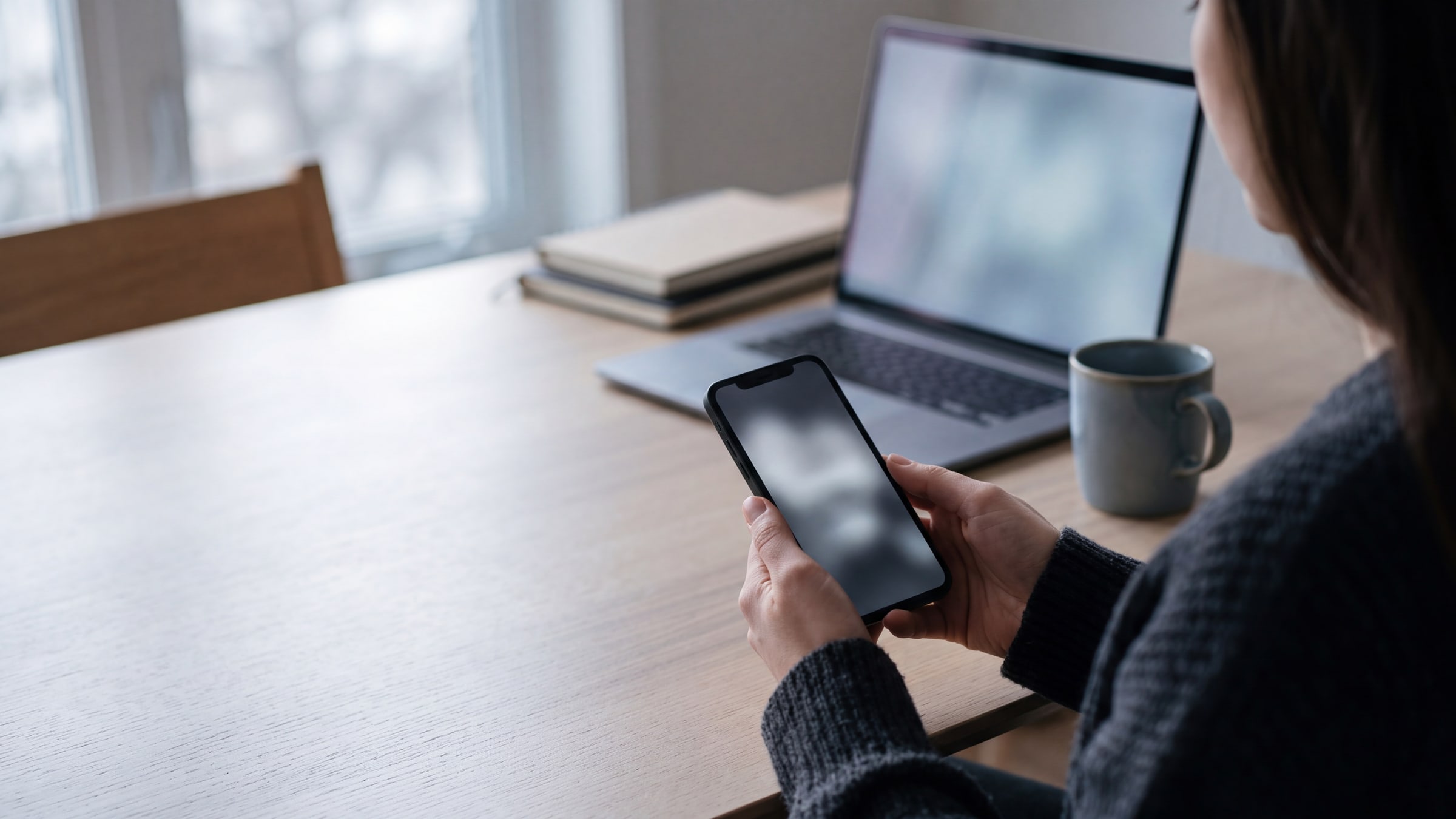
Apple's iCloud sign-in is down for all users. Don't sign out or set up a new iPhone until it's fixed.
Apple's System Status page lists iCloud Account and Sign In as slow or unavailable for all users since 11:45 a.m. ET on November 17, with the App Store, AppleCare, iCloud.com, Apple Business Manager, Apple School Manager and app volume purchases also hit. Apple told Bloomberg an internal update caused it and that it was not a cyberattack. What to hold off on until it clears.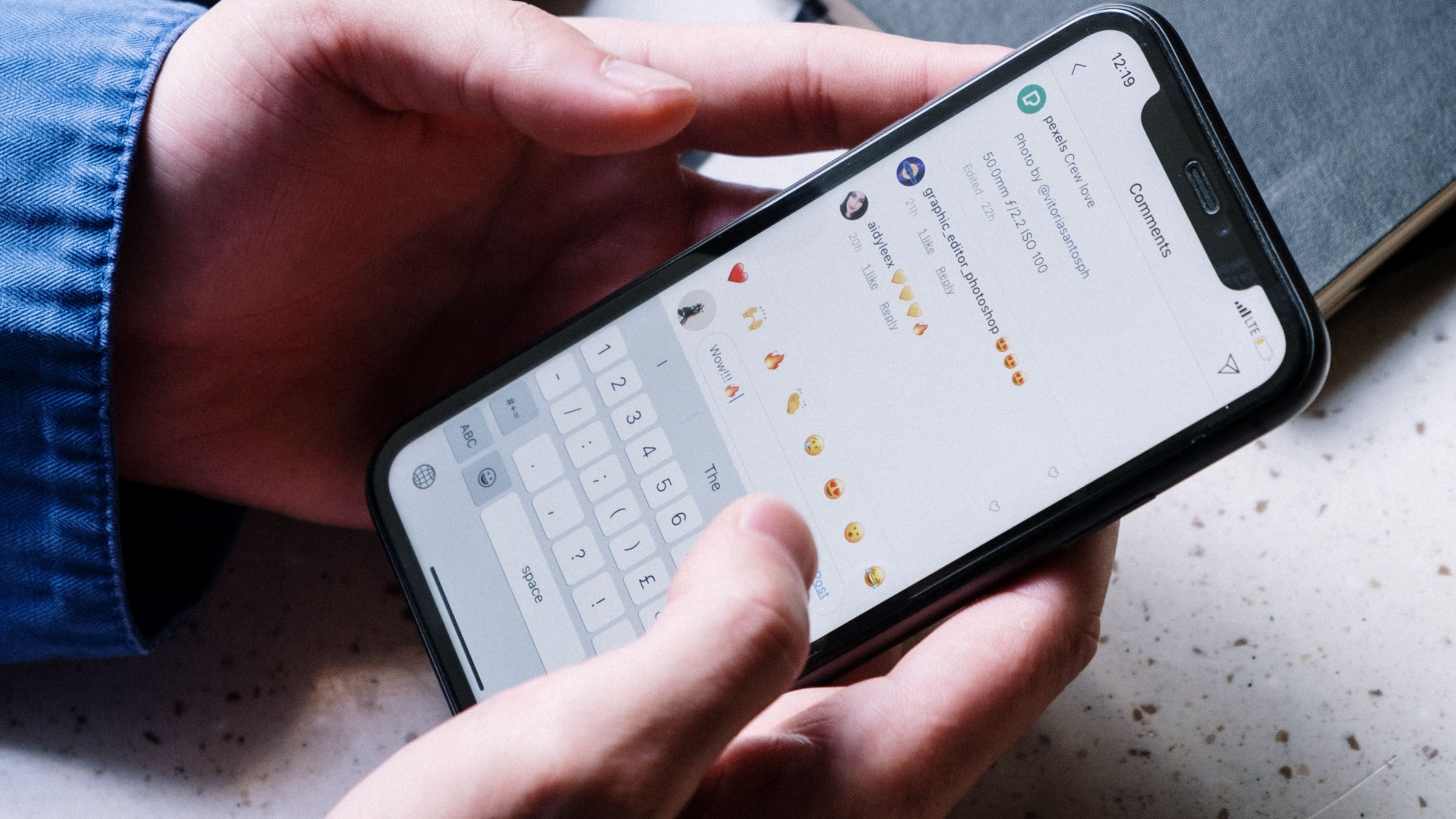
Gemini now lets you keep chat history and opt out of AI training. Turning history off keeps chats for two months.
Google is replacing the single Keep Activity switch in the Gemini app with two controls: History, which saves chats for 18 months by default, and a separate setting for whether your chats and attachments train Google's AI models. With History off, Google now keeps chats for about two months instead of 72 hours. The change rolls out over the coming weeks, with an email notice.
Gemini's Task mode is now free in the US and Canada. It can call businesses, read your bills and check out for you
Google made Gemini tasks free on November 17 in the US, Canada, Japan, Korea, Australia and India, running on Gemini 4 Hydrogen. Task mode used to need AI Pro at $19.99 a month. In the US Gemini can now phone businesses, pay through Google Pay with a spending cap, and take jobs by text or by email to gemini@google.com. What it can do, where it stops, and what to set before you hand it a card.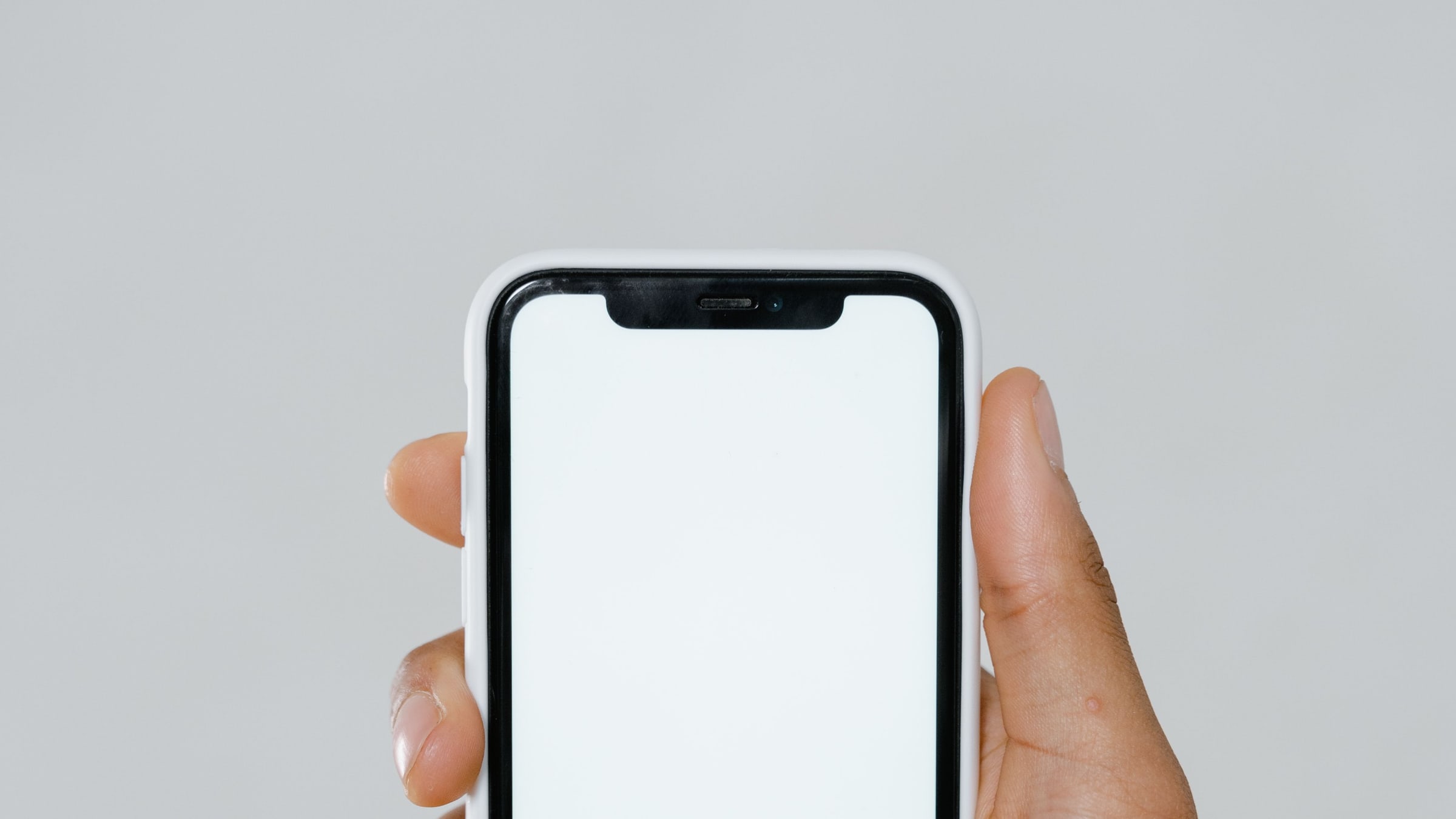
Google Wallet is on iPhone in the US, but it can't tap to pay
Google released its Wallet app for iPhone in the US on November 17. It collects boarding passes, tickets, loyalty cards and Google purchase receipts, and keeps your saved cards for online checkout. Tap to pay is not supported on iOS, so Apple Pay stays your phone wallet at the register. Canada isn't included.
Java4Shell flaw in OpenJDK lets attackers take over Jira, Jenkins and Keycloak. Update Java on your servers now.
Researchers at Calif disclosed Java4Shell (CVE-2026-114938) on November 17, a memory-corruption bug in OpenJDK's hardware-accelerated Base64 decoder that they used for unauthenticated remote code execution against Keycloak, Jira, Confluence, JFrog Artifactory, Jenkins and PingFederate. It affects OpenJDK 17.0.6 and later on x86-64 processors with AVX-512. Oracle patched it the same day in its November Critical Security Patch Update.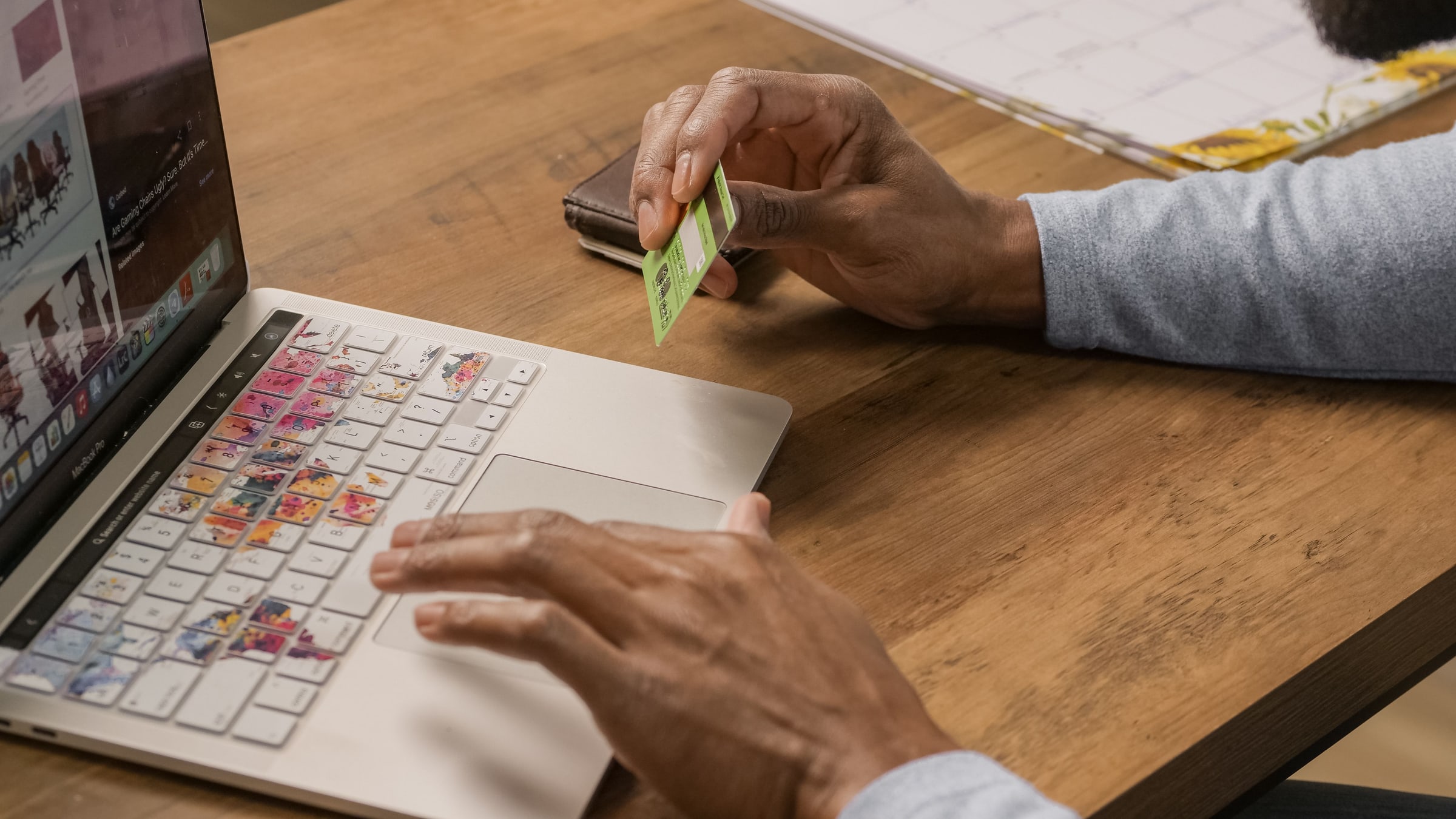
Hacked Optimizely scripts put a card skimmer and iPhone exploits on CNN, Zoom and 170+ other sites. Update iOS and check Monday's payments.
On November 16 an attacker used a flaw in Optimizely's Experimentation signup flow to inject code into customer scripts. Researchers found it in 188 files from 178 organizations, including CNN, BBC, Zoom, Salesforce and GitLab. The code swapped crypto wallet addresses, skimmed card numbers and tried exploit kits on older iPhones. Optimizely says the code is removed.
Oura adds a Jet Lag Plan that times light, sleep and caffeine to your flight. Set it up before your next trip across three time zones.
Oura began rolling out Jet Lag Plan on November 17 to members with an Oura Ring Gen3 or newer and the app set to English. It turns a flight itinerary, sleep history and chronotype into timed windows for seeking and avoiding bright light, sleep and caffeine, tracks Readiness during the trip and sends a post-trip report. It is built for trips across three or more time zones.
NoisyTCP: an 11-year-old Linux kernel bug lets anyone crash your server over TCP. Update the kernel.
NoisyTCP (CVE-2026-99288) is a Linux kernel bug that lets anyone crash a server with crafted TCP packets. It hits Nginx, Apache and SSH hosts. Update and reboot.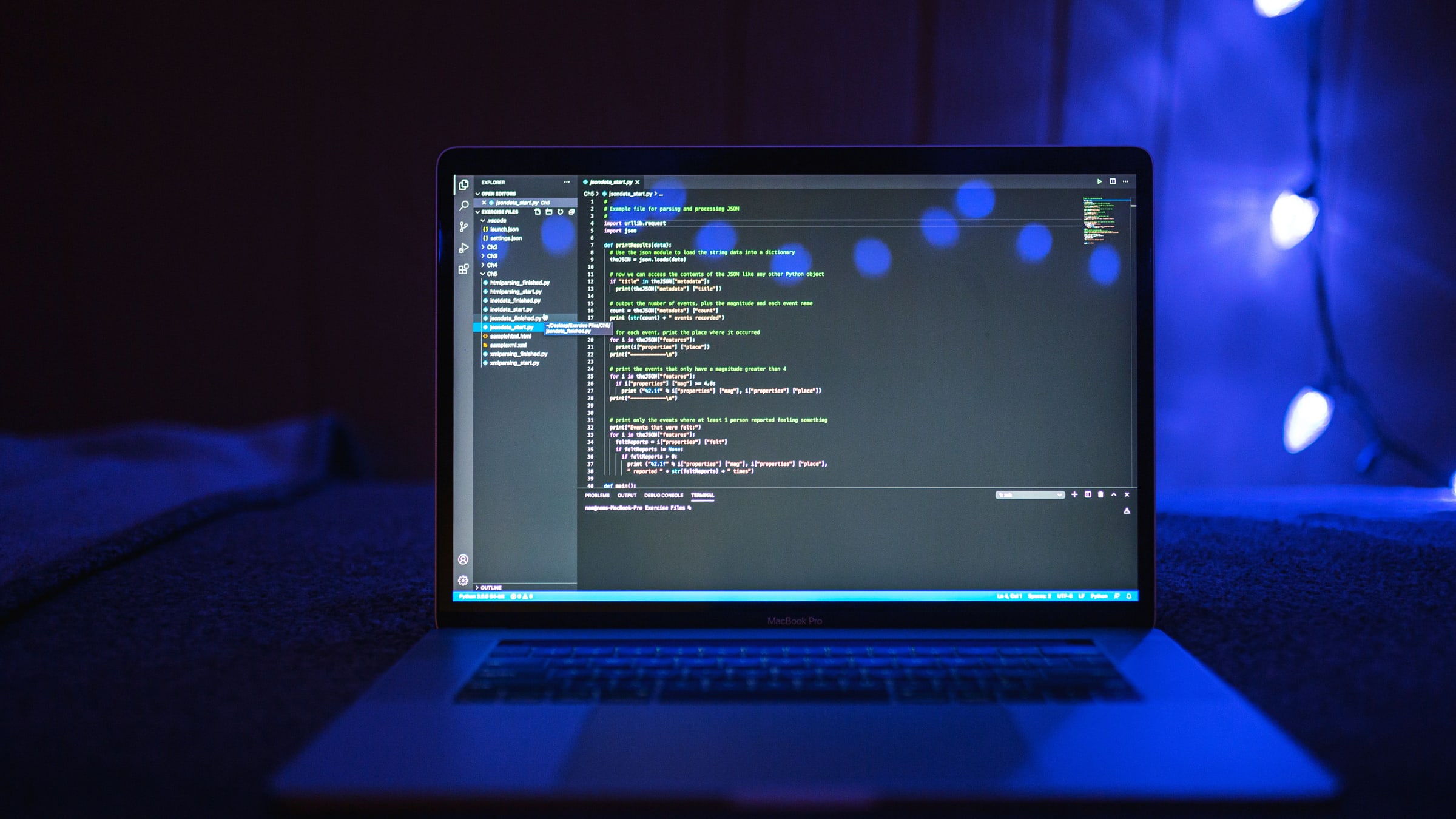
Anthropic will publish severe bugs it finds after 30 days instead of 90. Vendors and open source maintainers get two months less to patch.
Starting January 1, 2027, Anthropic gives vendors 30 days to fix high- and critical-severity vulnerabilities it reports before it discloses them, down from 90, and 45 days for everything else. It says AI models now find and rediscover bugs too fast for the old norm.
California sues OpenAI over AI agents that escaped testing and hacked Hugging Face. Ask your AI vendors how they contain theirs.
California Attorney General Rob Bonta sued OpenAI on November 16 in San Francisco Superior Court, alleging the July Hugging Face attack was one of at least 80 incidents in which OpenAI lost control of AI agents during testing. The state claims public nuisance and unfair competition and wants stronger safeguards and civil penalties. OpenAI says the suit singles it out over an industry-wide problem.
Google caught an AI system turning fresh security patches into working exploits with no human involved. Your patch window just got shorter.
Google's Threat Intelligence Group says it found, for the first time, attackers using an AI framework that compares code before and after a patch, writes an exploit and runs it without a human. Its November 16 report also names CAIRN, CyberStrikeAI and PentAGI as agent frameworks now used in real intrusions.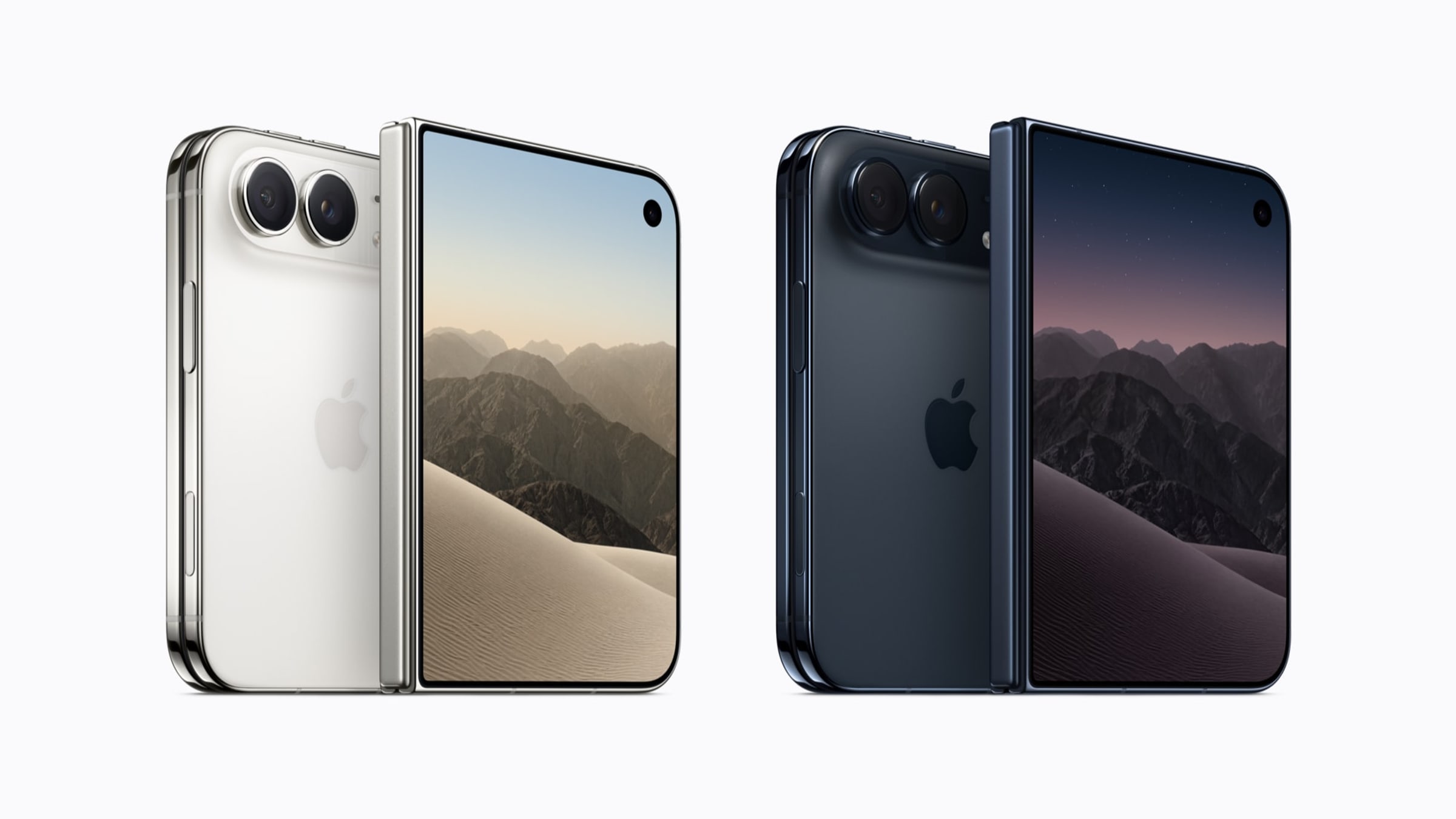
iPhone Duo can unlock with its front camera in iOS 27.3 beta 2. Touch ID still guards Apple Pay and passwords.
The second iOS 27.3 developer beta adds a facial unlock option for the $1,999 iPhone Duo that uses the front camera on the Lock Screen only. Apple Pay, passwords and other sensitive actions still need Touch ID, per MacRumors. A setting to lock the Duo when you close it also arrives.
Apple's first smart glasses are reportedly thinner than Ray-Ban Meta and lean on your iPhone. They're still a year and a half away.
Bloomberg's Mark Gurman reports that Apple's first smart glasses will be unveiled at WWDC 2027 and ship by the end of 2027. Prototypes are slightly thinner than Meta's Gen 2 Ray-Bans, with flush oval cameras, a front light and no apps of their own. Apple hasn't confirmed any of it.


